Discover the ones we’ve encountered along our journey and whose future we’ve helped reshape.
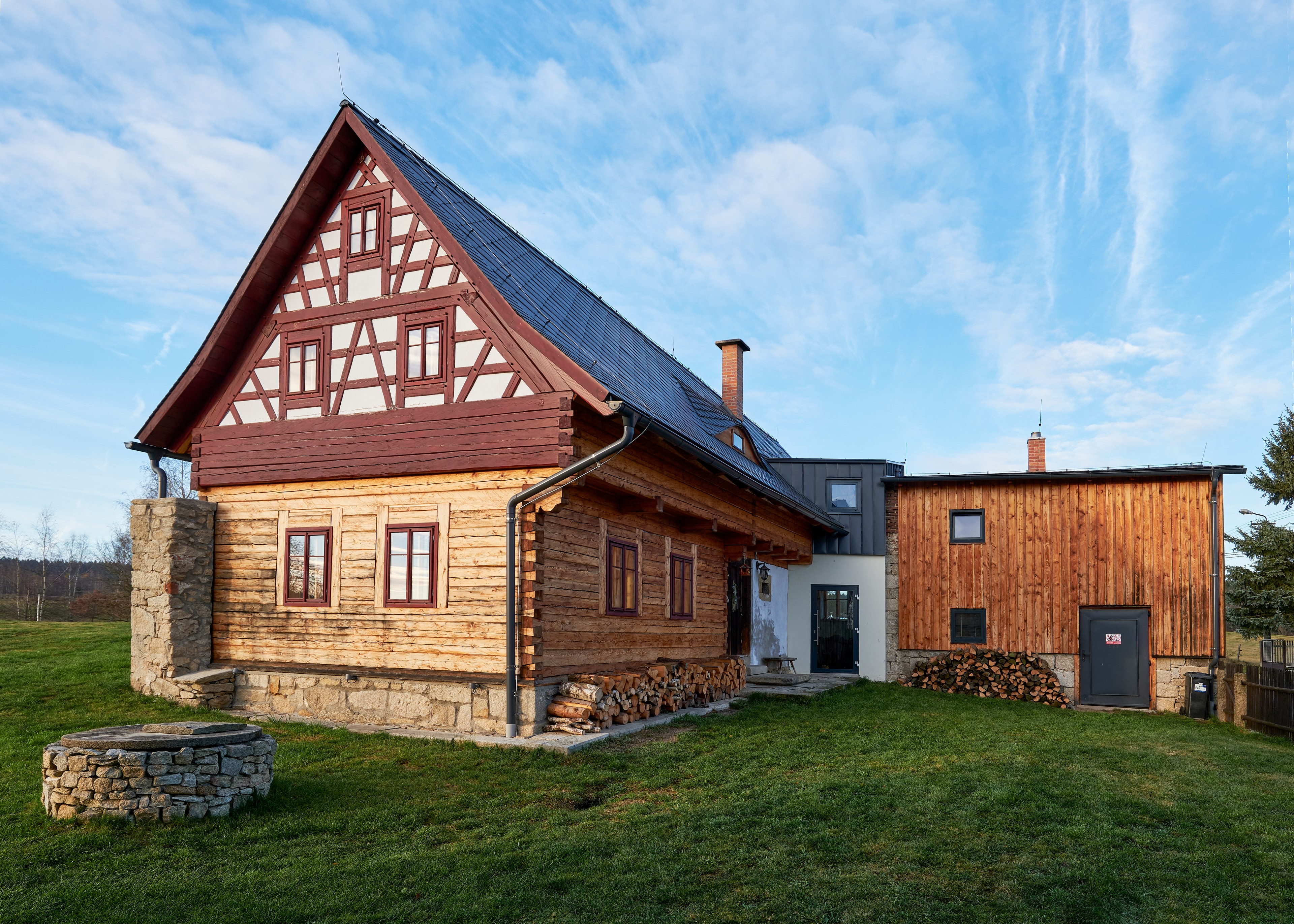
Roubenka U Babi is a historically valuable Baroque timber house estimated to be 200–250 years old. The sensitive integration of modern technologies with the character of the original structure allowed its transformation into a recreational property that offers comfort, tranquility, and an authentic atmosphere.
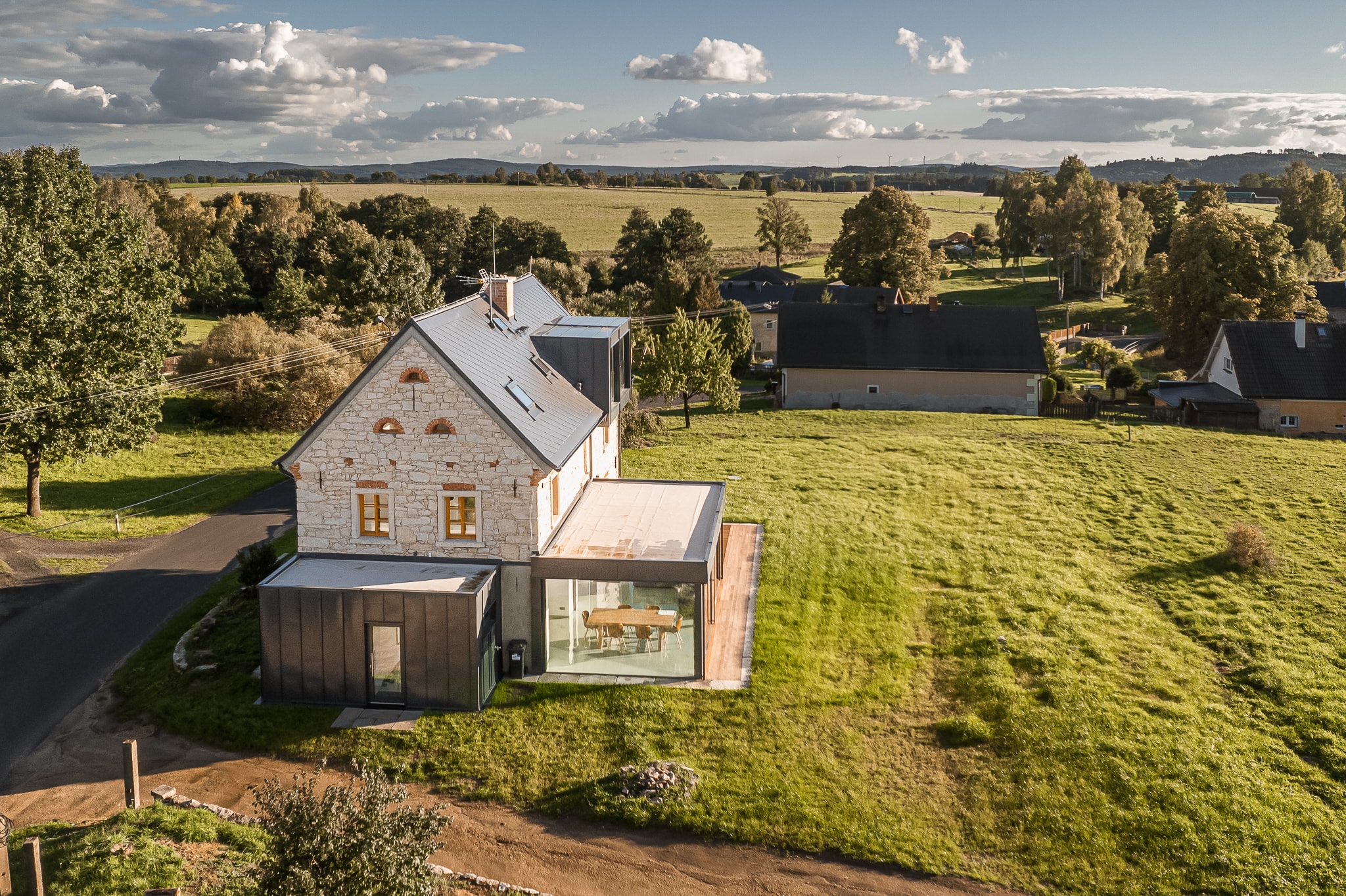
This historic building was built in 1852. It had fallen into disrepair over many years and was converted between 2020 and 2022 into a recreational property. We sought to preserve its authentic character while thoughtfully incorporating contemporary architectural elements.
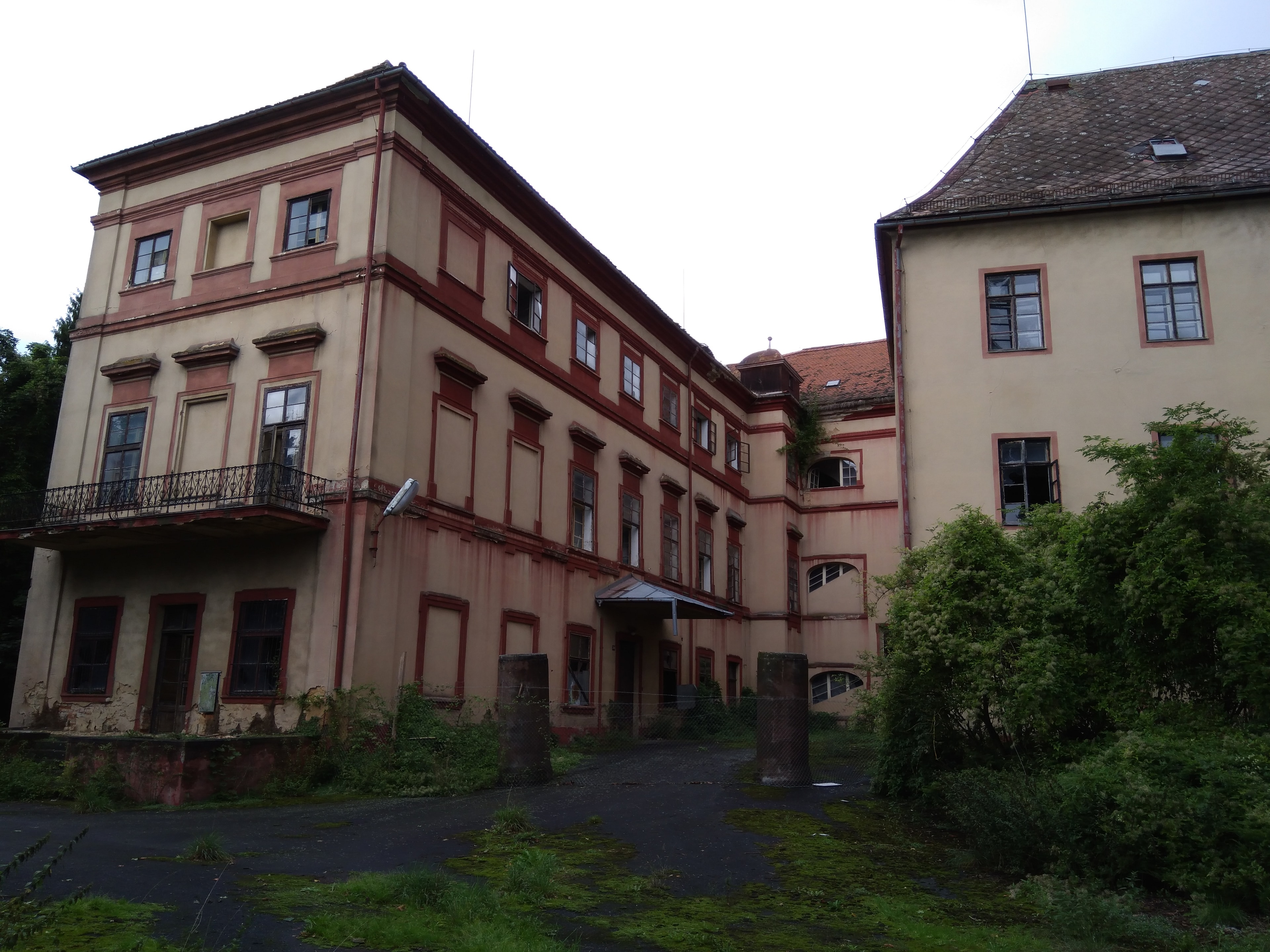
Doubrava Chateau near Aš is the last preserved residence of the Aš branch of the Zedtwitz family. It represents an interesting example of the romantic architectural ambitions of Czech rural nobility in the second half of the 19th century. With respect to its historical value, we prepared an initial study exploring its potential future use.
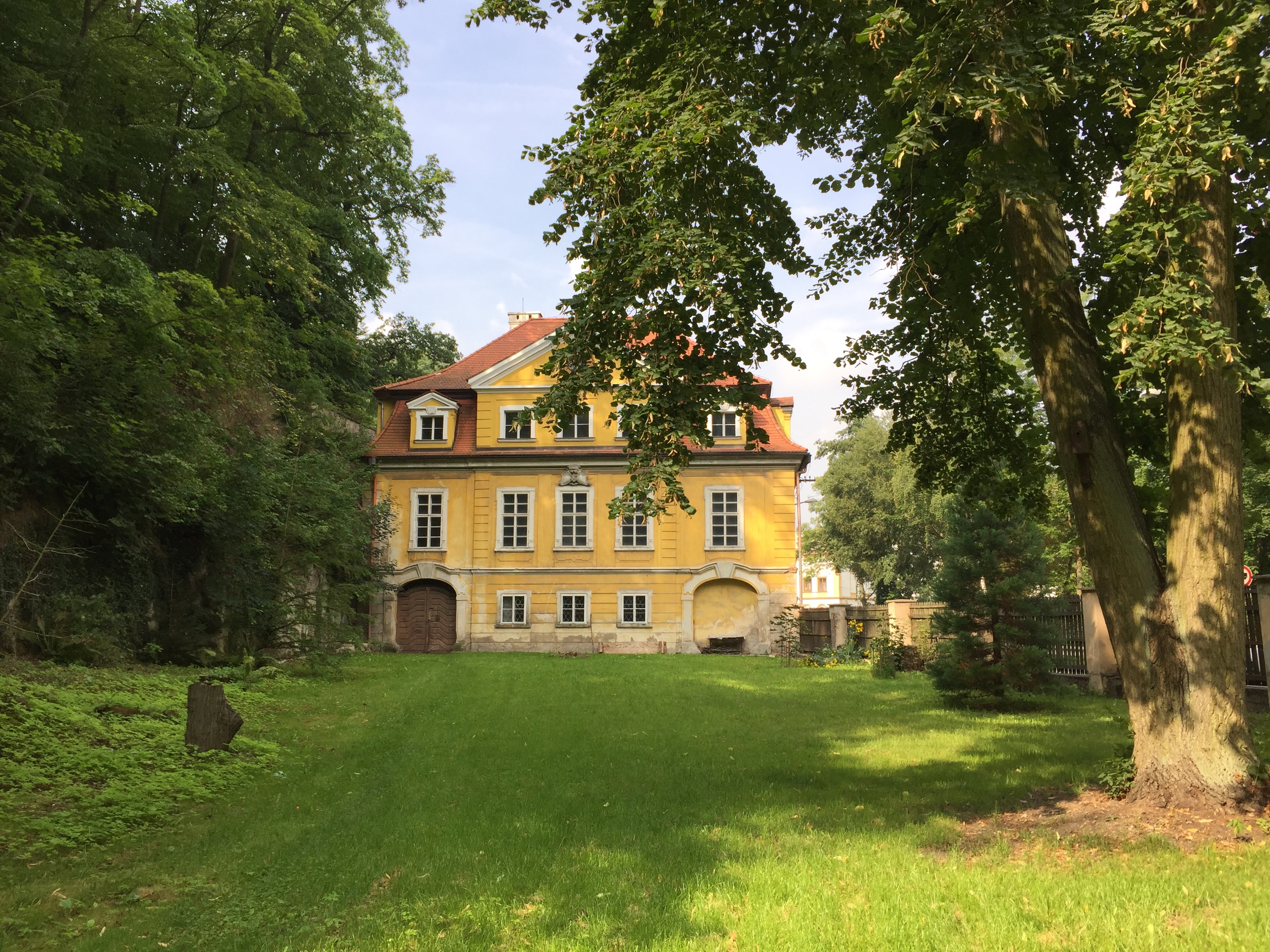
Neuberk Chateau, located in the Čejetičky district of Mladá Boleslav, was built between 1734 and 1738 by Jan Ignác Gemrich. The château is a two-wing Baroque building with a mansard roof, representing a refined example of period architecture.
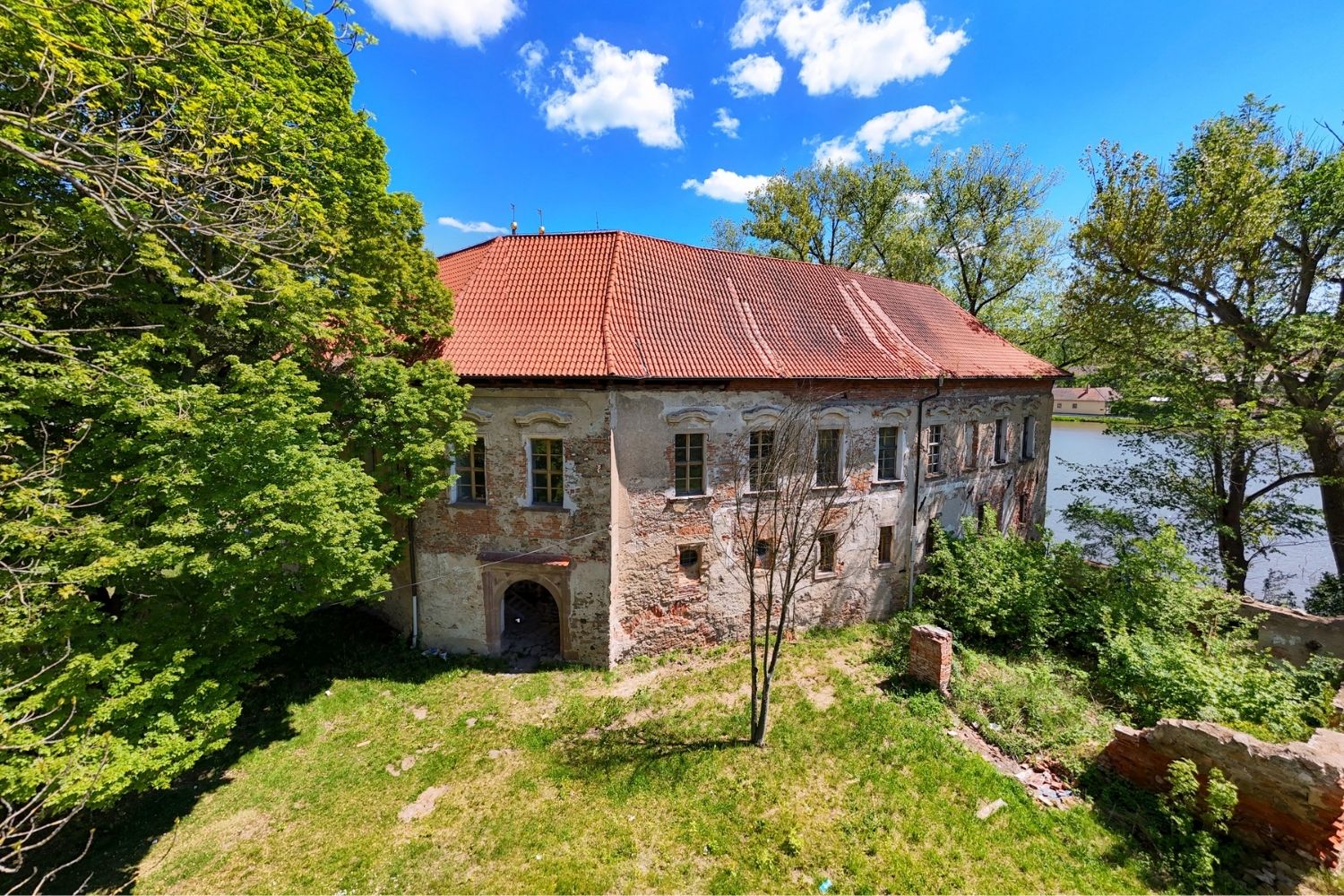
Originally a water fortress, later transformed into a château, this historic property in Popovice near Benešov was first documented in 1354. It is a remarkable example of minor noble architecture and an important element of cultural heritage and regional identity, with strong potential for sensitive restoration and renewed use.
Located in Planá near Mariánské Lázně, this originally Gothic 13th-century castle was gradually rebuilt in Renaissance, Baroque, and Neoclassical styles. The blending of architectural periods makes it a compelling example of stylistic evolution, while also presenting a significant challenge for its thoughtful restoration.
These apartment buildings are located in the historic center of Cheb. Preserved in their Baroque form, they represent traditional burgher townhouses and are listed in the Central Register of Cultural Monuments of the Czech Republic.
These Art Nouveau apartment buildings are characteristic examples of German residential urban development in the border regions at the turn of the 19th and 20th centuries. From deteriorated structures, we created dignified housing and contributed to the revitalization of the surrounding neighborhoods.
An early 20th-century historic apartment building that underwent complete reconstruction, resulting in twenty compact residential units designed for long-term rental.
The family-run organic farm in Polná was established through the reconstruction of a historic half-timbered farmhouse dating back to 1777. The farm focuses on organic production, primarily beef cattle, horses, sheep, and poultry. It holds certification from the KEZ (Organic Agriculture Inspection Authority) on said products.
An agricultural cooperative focused on organic production, particularly cattle breeding without commercial milk production, including the raising of young bulls and heifers. In 2023, we transitioned to regenerative farming practices, adopting a no-till system with minimal soil disturbance.
We initiated the transformation of a former historic hotel in the Ore Mountains into an apartment house providing comfortable mountain accommodation. We prepared a massing study followed by full project documentation and successfully obtained building permits.

.png&w=3840&q=90)
.jpg&w=3840&q=90)
.jpg&w=3840&q=90)
.jpg&w=3840&q=90)
.jpg&w=3840&q=90)
.jpg&w=3840&q=90)
.jpg&w=3840&q=90)