Agricultural Cooperative, Rácov near Jihlava
.jpg&w=3840&q=90)
History of the building
Our contribution
We became co-owners of the cooperative in 2019. In 2020, a new winter housing facility for livestock was constructed with our participation, and in 2022 we acquired an additional ownership stake. The day-to-day operations are managed by another cooperative partner, and our involvement is primarily strategic, focusing on support in construction projects, financial stabilization, and other key matters.
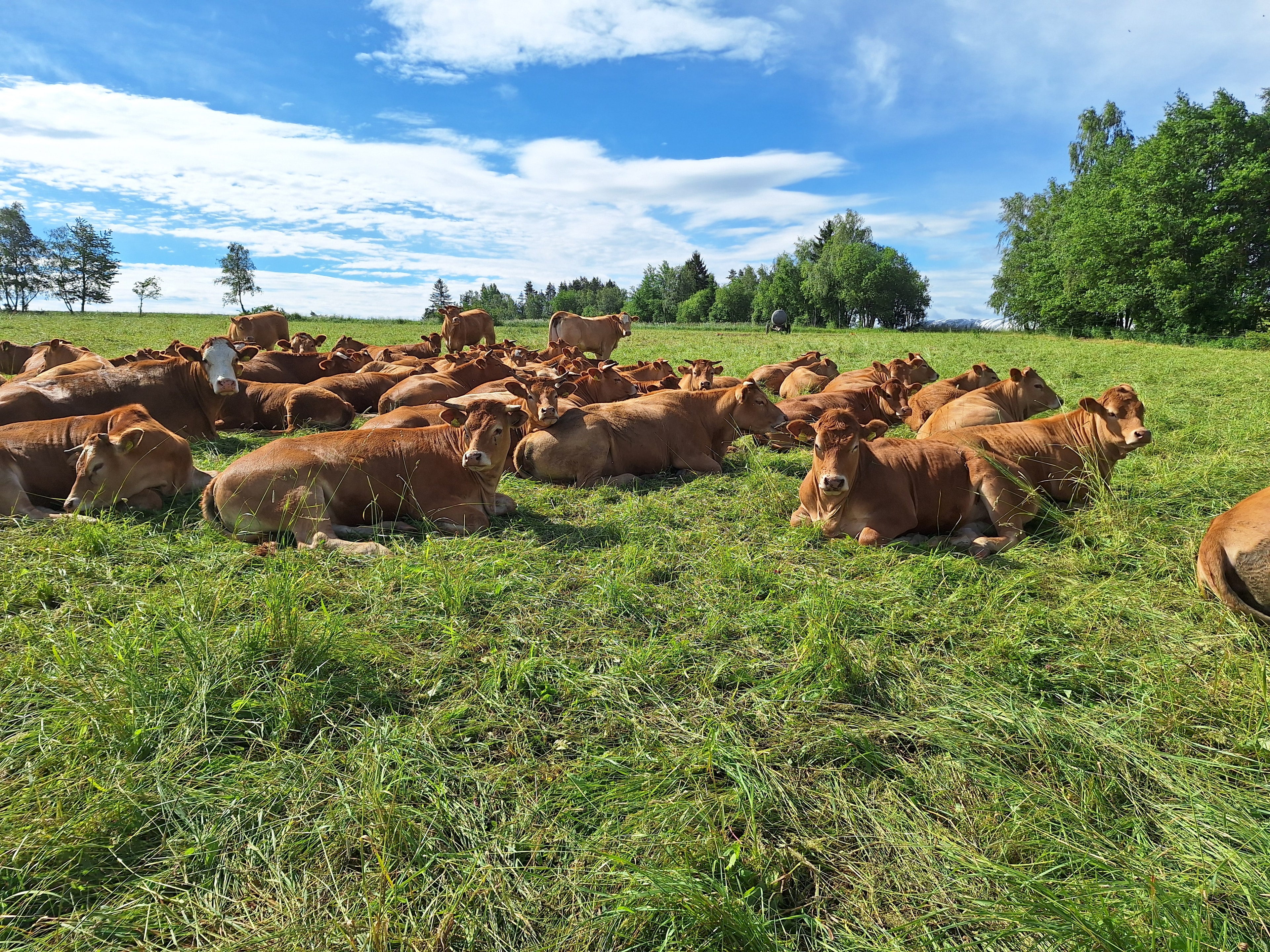
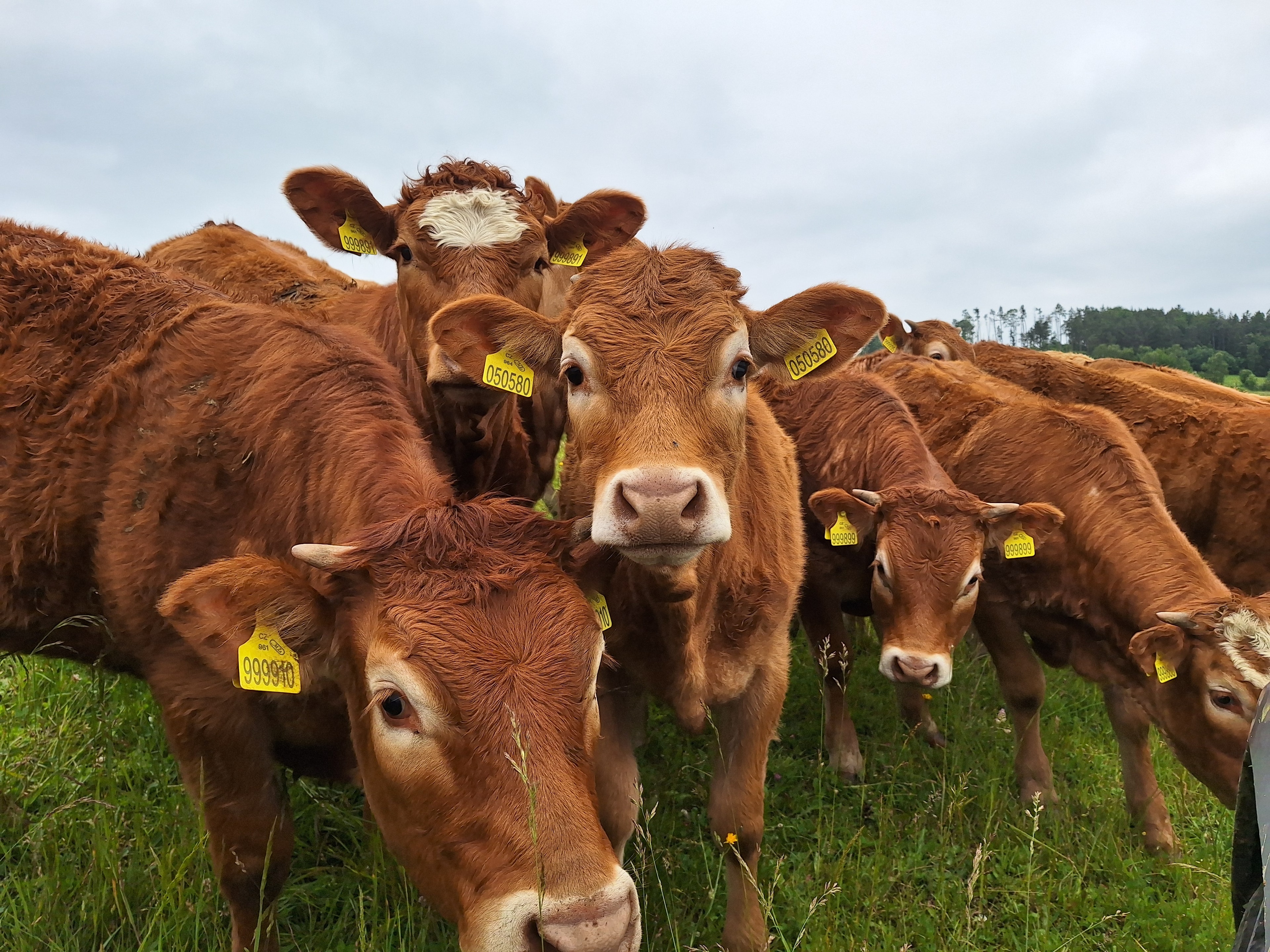
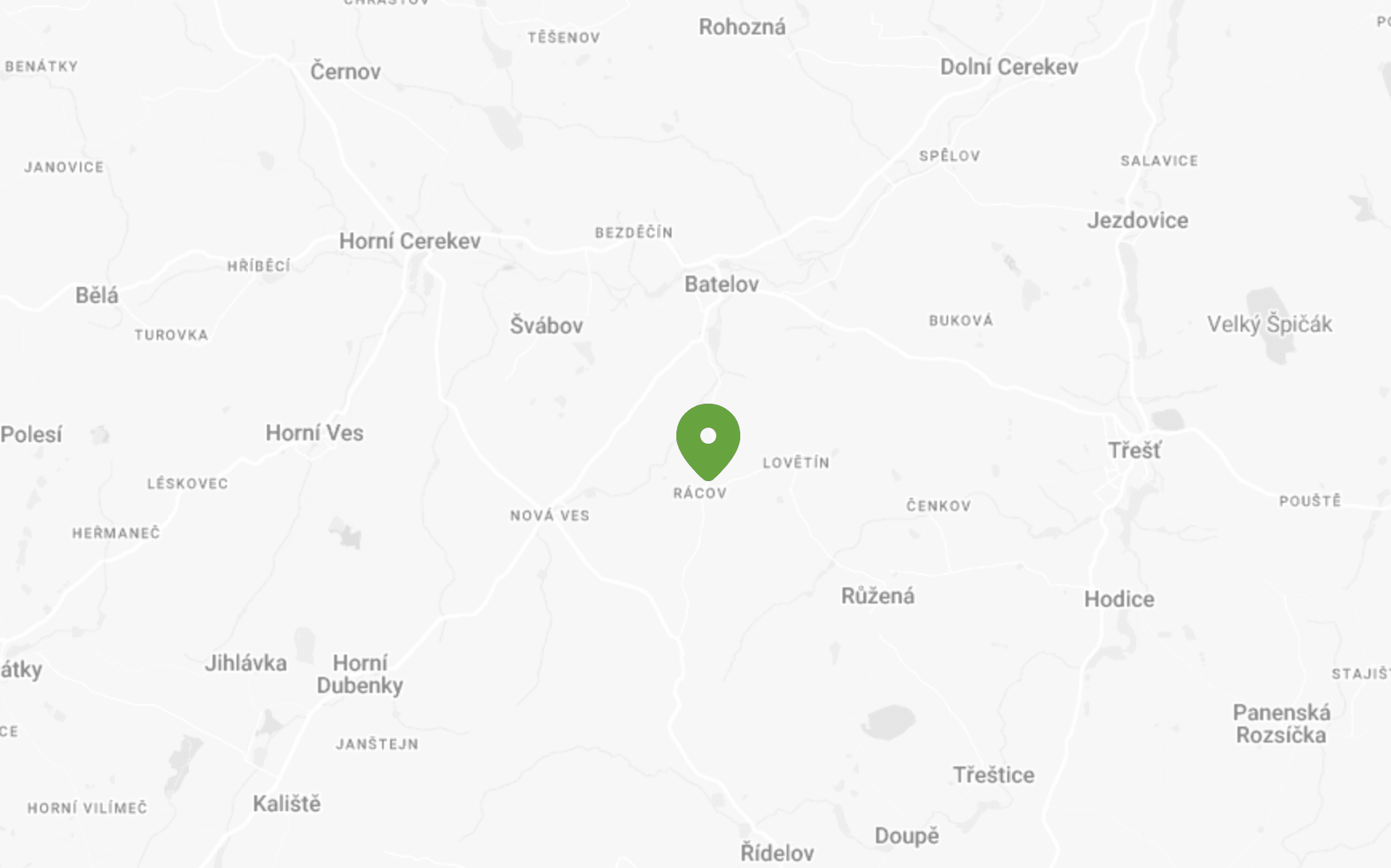
The cooperative specializes in breeding beef cattle without commercial milk production, focusing on feeder bulls and slaughter heifers. It manages approximately 200 heads of cattle and farms in nearly 450 hectares of land. All farming activities are conducted under certified organic practices, with an emphasis on sustainability, environmental responsibility, and the preservation of traditional methods. Most of the land consists of permanent grassland located at an altitude of approximately 650–700 meters. During winter, the cattle are housed in facilities in Rácov and Lovětín.
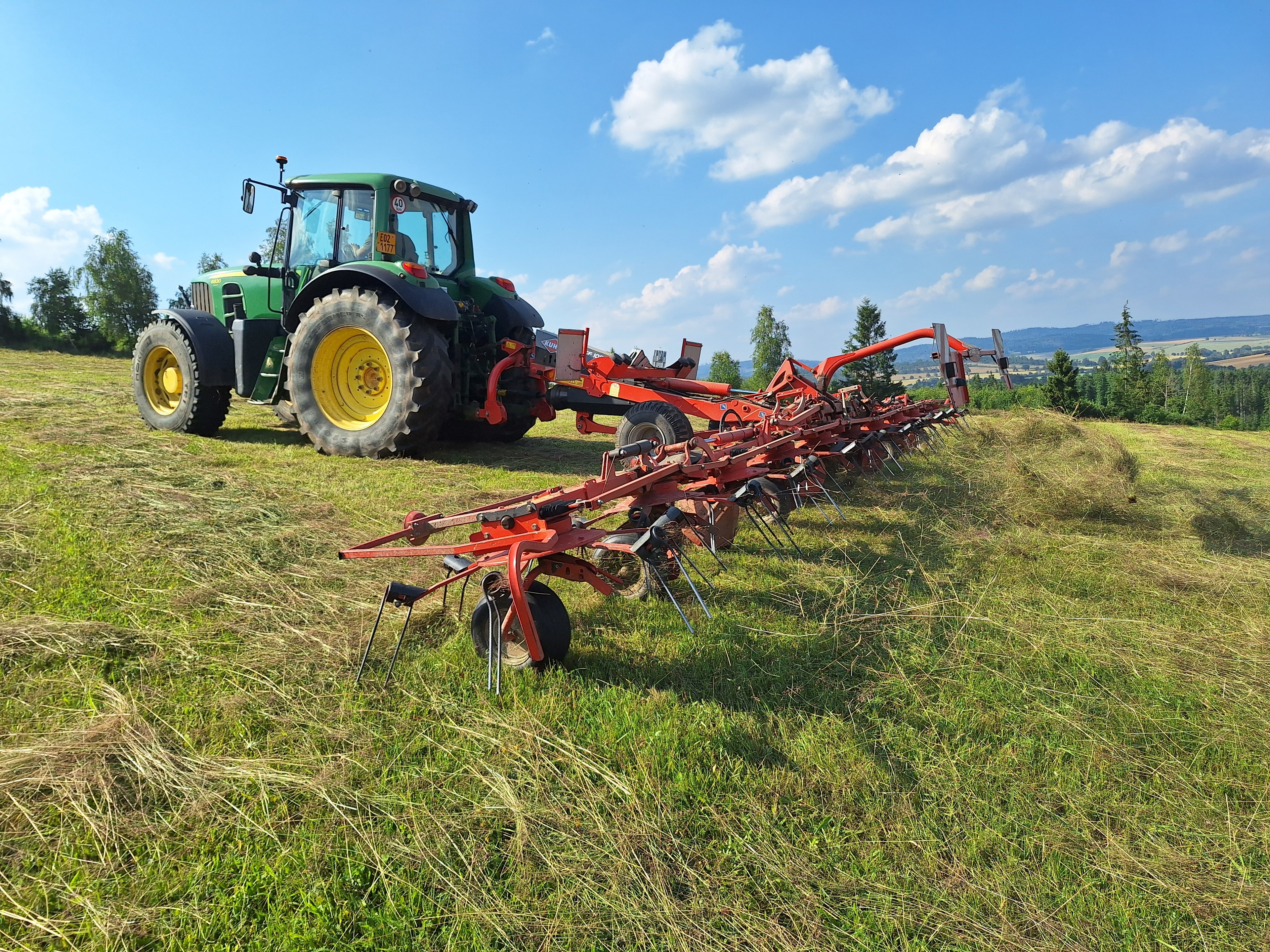
On arable land, fodder crops are cultivated for internal use, while cereals are grown both for market purposes and for bedding production. In 2023, we transitioned to regenerative farming practices, adopting a no-till system with minimal soil disturbance. The primary objective of this shift is to increase soil organic matter through atmospheric CO₂ sequestration, thereby contributing to the reduction of greenhouse gas concentrations with the potential for future participation in carbon credit markets. Higher levels of organic matter also improve the soil’s water management capacity: during heavy rainfall, the soil can absorb larger volumes of water more efficiently, while in periods of drought, it retains moisture for longer.
1991
Establishment of the cooperative
2008
Transition to certified organic farming and beef cattle breeding (without commercial milk production)
2019
Our company enters the cooperative
2020
Construction of new winter housing facilities
2022
Acquisition of an additional ownership stake
2023
Transition to regenerative farming (no-till, minimal soil disturbance)